U.S. Education
A project due every week, all of it in English. What the workload was really like, and what helped.

Every week, I had to build a new app and turn it in.
And that wasn't even the hardest part.
It's the start of the school year, and a lot of international students are landing in the U.S. for the first time. This is what studying here was actually like for me, and what helped.
The workload wasn't the surprise
I'd read plenty of posts saying American classes mean nonstop reading and nonstop presentations, a different world from school back home. Maybe. But my first year of undergrad back home looked like this: six or seven classes a term, with reading and presentations due in at least five of them starting in week one. In intro biology, my professor covered three years of high school biology in a single lecture. That was the first day of college.
There was no ChatGPT then. To find a source, you either read at least ten different websites or went to the library and flipped through books page by page.
So the U.S. felt similar: a lot of reading, a lot of output, every week. I studied Computer Science, so instead of presentations I had projects. Basically, build a small app that solves whatever problem the professor assigned. Every. Single. Week.
The part that actually wore me out
The real difference was the language. I was doing everything in my second language: reading, listening, writing, speaking, all day. Before that, I'd never had to live in English. It felt like part of my brain was permanently busy running it, which left less energy for the studying itself.
Everything else on the list
Class was only part of it. There were clubs, extracurriculars, making friends, a fifteen-minute walk to campus and another fifteen back, finding lunch, showering, laundry, catching the bus, and a long tail of small errands nobody counts.
And sleep. That's true in any country.
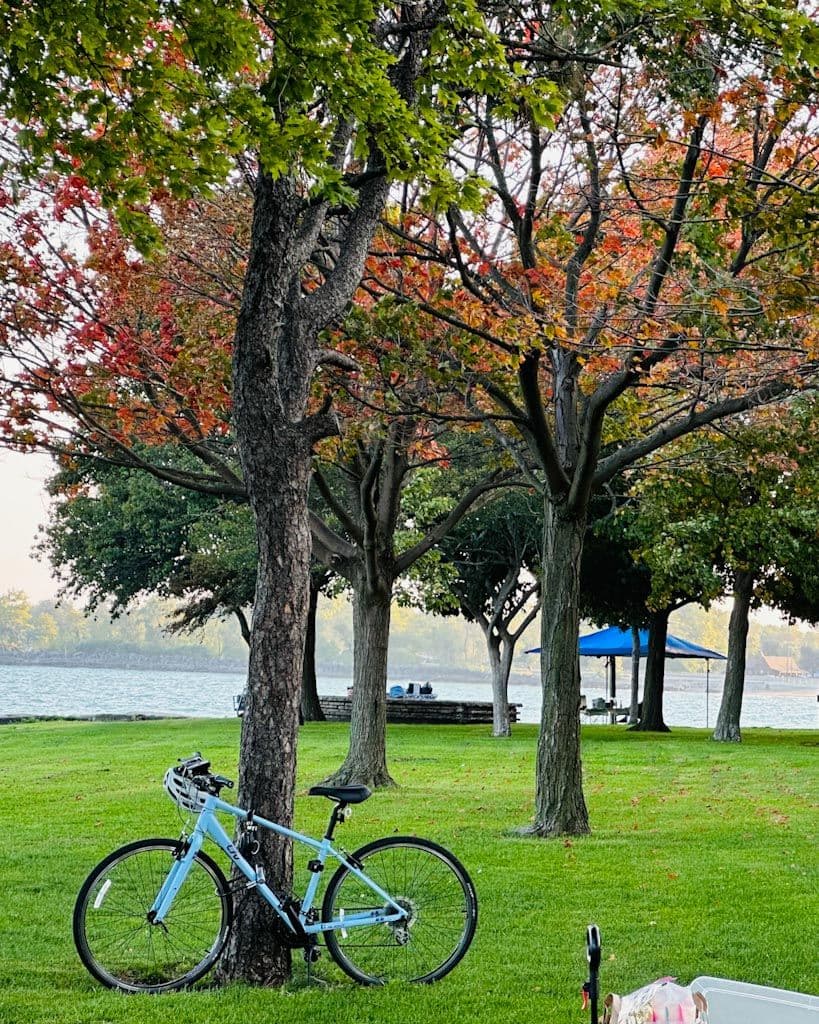
Honestly, I need to use both sides of my brain, which is why I was always in clubs and creative projects. If all I did was sit and study, I'd stress out. I used to wish a day had 48 hours.
Was it exhausting? Yes. But I was in my twenties, so I barely noticed. I still can't explain how I once organized two volunteer events in the same week, got back to the dorm on Sunday night, and walked into a final presentation at 7:30 Monday morning.
These days my back hurts. So, no.
Three things that helped
Group work
I think teamwork is essential, in school, at work, and in life. When I got a group assignment, I didn't take everything on myself. I split the work among everyone and leaned on each person's strengths, so we stayed efficient and on schedule.
My own clock
I figured out I'm most creative and efficient in the morning, so I saved the heaviest thinking for then. After lunch I get sleepy and sluggish, so that's when I did the low-brain stuff, like laundry and checking email.
One hour, one task
When I worked on an assignment, I gave it a full hour. No phone, no Facebook, no Instagram. Then I moved on to the next thing.
Moving around
Think about lifting weights. Do too many reps with your right arm and it gives out, so you switch to your left. Studying was like that for me. After sitting too long I'd go numb, so I'd hit the gym or play a sport and let the part of my brain I use for studying rest. I noticed my blood circulated better when I moved, and that my brain worked better afterward.
Every so often I'd get stuck on a bug, put on music, and dance around for ten minutes. When I sat back down, I somehow knew exactly where the bug was.
