Financial Planning
Low-income student, full ride, a price tag in the hundreds of thousands. It makes a great headline. It also hides how American universities actually pay for things.
Low-income student wins full scholarship worth over $350,000 to study in the U.S.
I don't like headlines like this one. They're not exactly lying. They just skip the detail that explains the number.
Two countries, two ideas of what a university is
Here's what clicked for me after I went through the U.S. application process. Where I grew up, education is a national investment: the state pays to build up its people. In the U.S., education is a business.
What I like about the system back home
The top universities that get state support are cheap. That's how a smart kid from a poor family can still get into one of the best schools in the country.
The U.S. runs on supply and demand, and the price follows ROI.
- The better the school, the easier it is to land a high-paying job, so the more it costs.
- The hotter the major, the same logic: easier path to a high salary, higher price.
- The more people who want in, the lower the acceptance rate.
So where does the scholarship money go?
There is scholarship money. It mostly comes in three forms: merit-based, need-based, and PhD funding.
Bachelor's programs have plenty of scholarships and financial aid, especially at liberal arts colleges.
Master's programs are a different story. The school assumes you've already been working, earning, and saving, and that you're paying for a degree to raise your income. So there's little or no scholarship money. In effect, master's programs are how U.S. universities earn the money to fund bachelor's and PhD students. The exceptions are low-ROI fields like art and social work, which often come with a lot of financial support.
The question I get most
People ask me: "My family doesn't have much money. If I want a master's in AI at a top-10 school, can I get a scholarship?" Unfortunately, that's not how American higher education works.
A PhD is a job
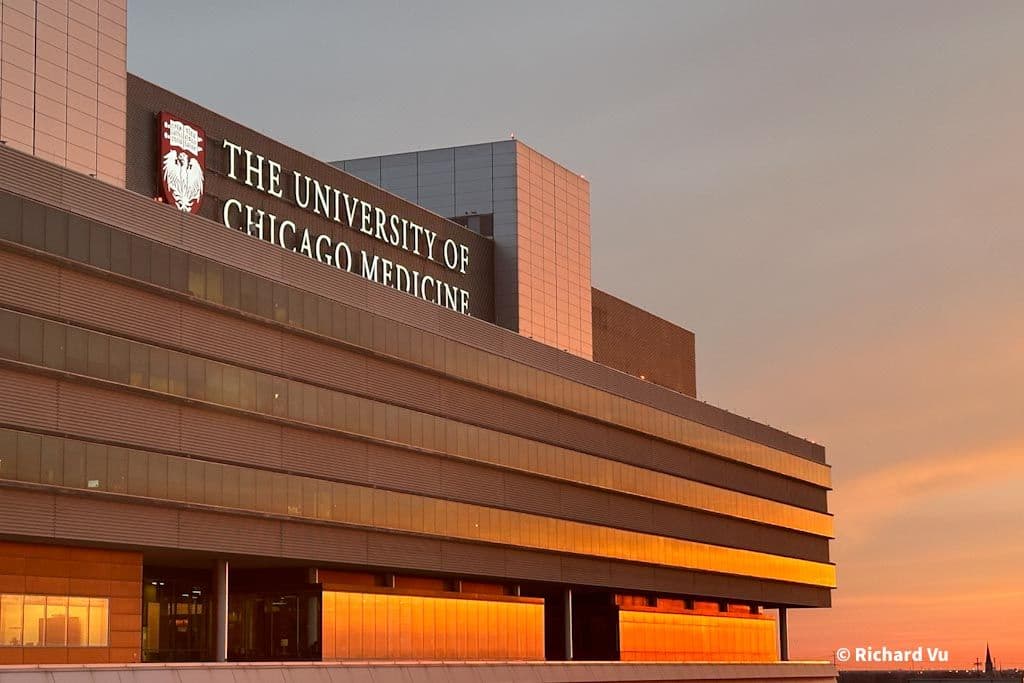
I put PhDs in their own section because, as I wrote in an earlier post, a PhD is a job. You either work as a teaching assistant or do research in a lab. In return, you pay no tuition and get a paycheck every month for the work.
That's why headlines like the one above exist. In reality, no PhD student in the U.S. pays to "study."
So the next time you see one, check which degree it's about.
Looking for programs that do come with funding? The Atlas maps government scholarships around the world.