Studying in America
Landing in Chicago with two suitcases and a partial understanding of what a master's degree in America would actually require of me.
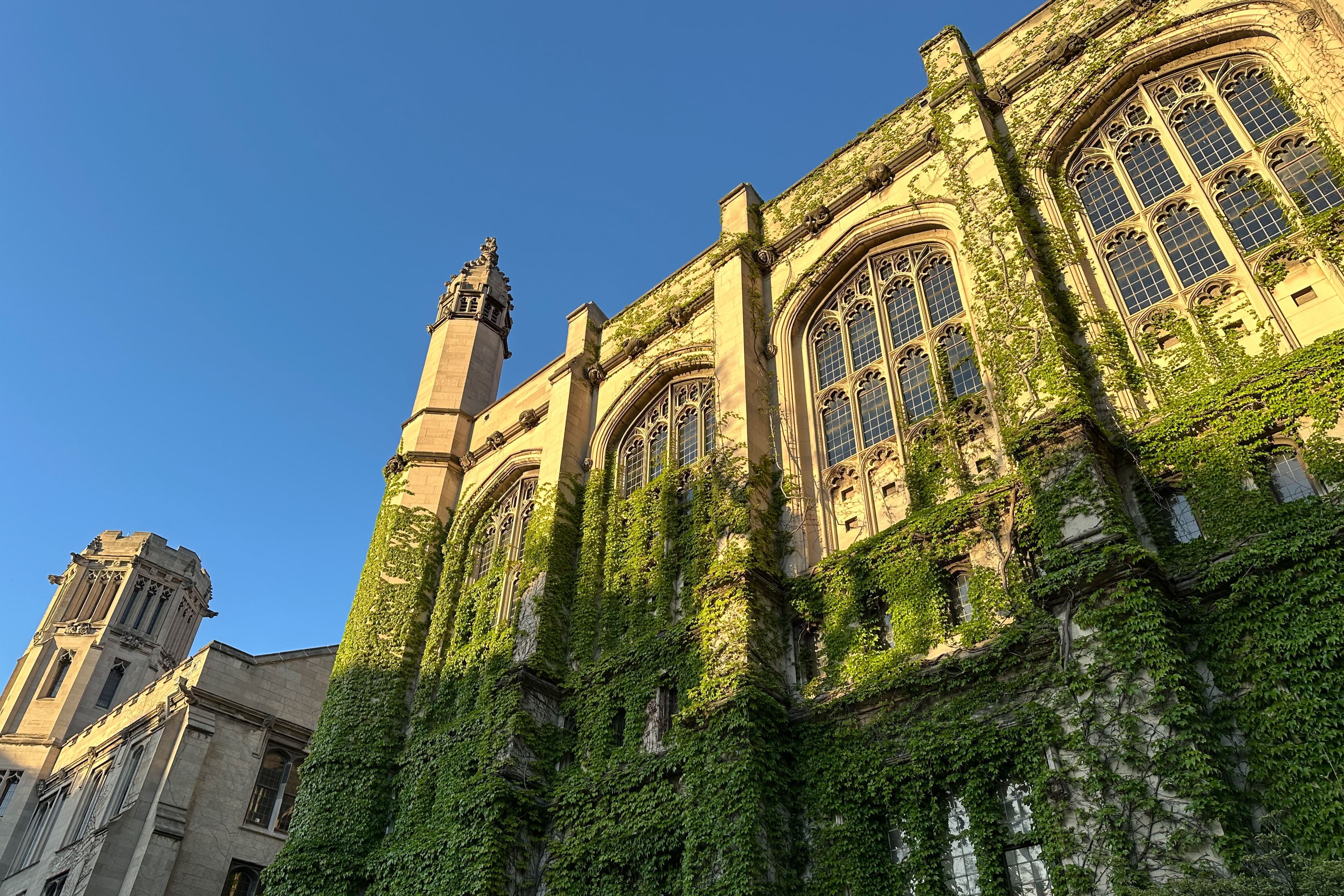
I landed in Chicago in late summer, carrying two suitcases and a mental model of graduate school built almost entirely from other people's stories. Some of that model turned out to be right. Most of it wasn't built for someone arriving from Vietnam with a U.S. education system I'd only read about.
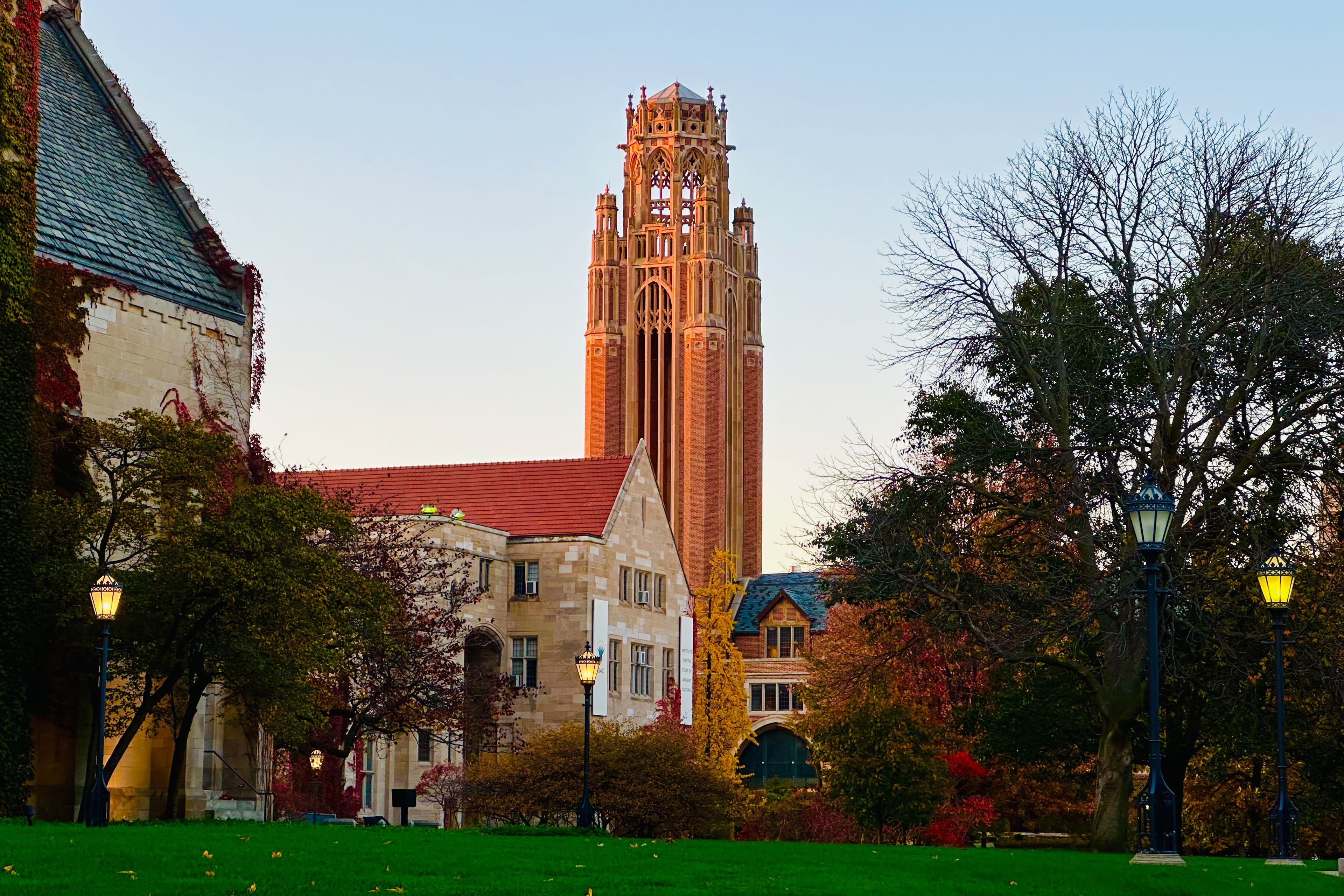
The first surprise had nothing to do with academics. It was logistics - opening a bank account without a credit history, understanding a lease, figuring out which forms actually mattered versus which ones just felt official. Nobody warns you that the hardest part of the first month is administrative, not intellectual.
The syllabus told me what to read. Nothing told me how to build a life around reading it.
Academically, the adjustment was real but expected - different expectations around class participation, a much more direct culture of office hours, and a workload that assumed you'd already know how to manage your own time without anyone checking in. What surprised me more was the social calculus: how much of graduate school in America runs on informal conversations, casual coffee chats, and a kind of confident self-advocacy that isn't emphasized the same way back home.
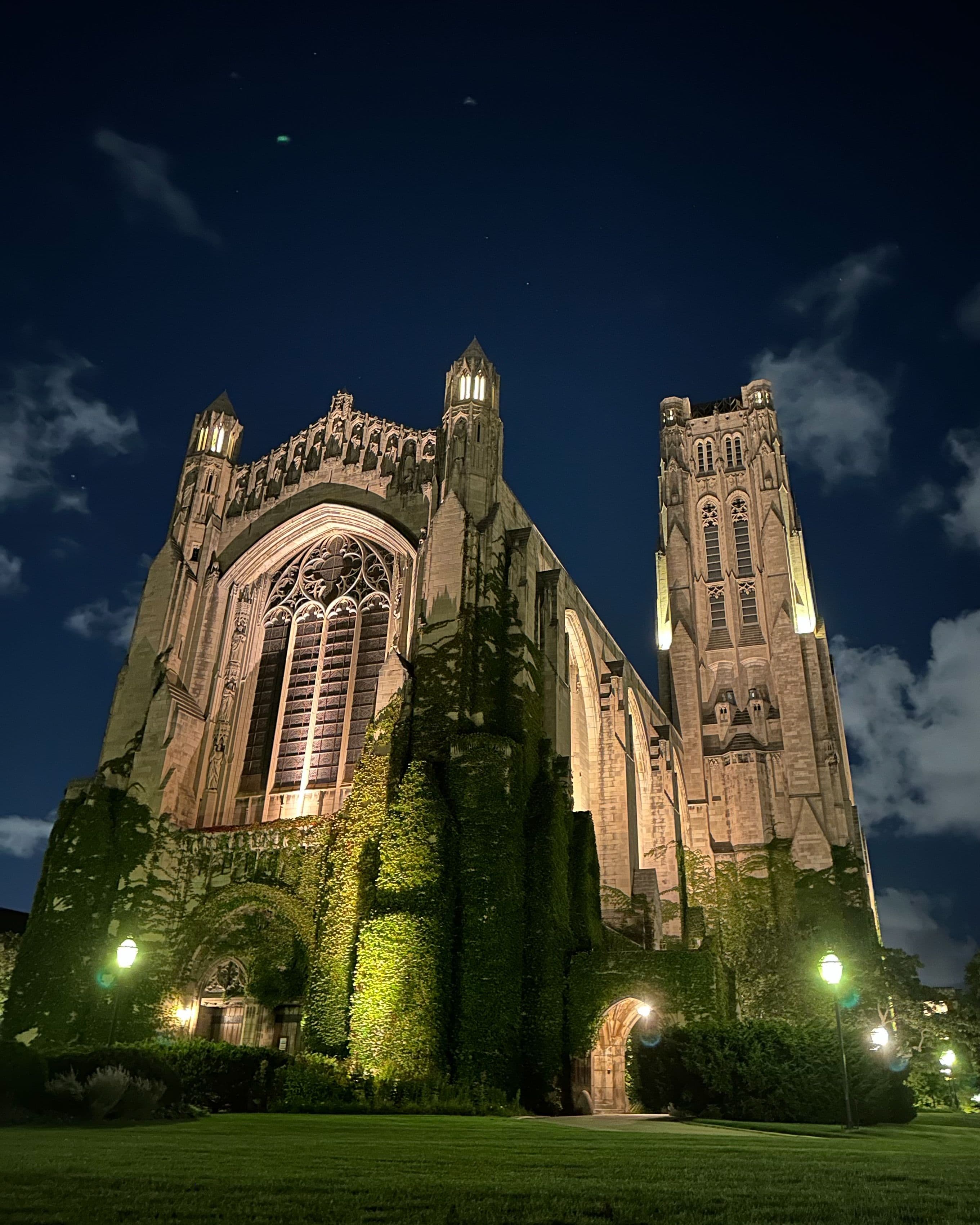
I learned to ask questions I would have considered rude to ask a professor before - not because the questions changed, but because the culture around asking them did. That shift took longer than any single class.
Money was its own education. Between tuition, health insurance, and the cost of simply existing in a new city, I spent an embarrassing amount of energy that first year just trying to understand what things cost and why. Looking back, I wish someone had handed me a plain-language breakdown instead of letting me piece it together from scattered forum posts.
What actually helped
Finding two or three other international students a year ahead of me who were willing to answer blunt, unglamorous questions - about money, paperwork, and what to expect - mattered more than any orientation session.
What I didn't expect was how much the experience would reshape my sense of what I was capable of. Not in a dramatic, movie-montage way - more in the slow accumulation of small proofs that I could figure things out in an unfamiliar system, on my own, without the safety net I'd grown up with.
That first year is where this publication really starts. Everything else - the career, the move to New York city, the way I think about building a life here - traces back to those first disorienting months of figuring out how graduate school in America actually works, versus how I imagined it would.